Seasonal Financial Planning: Preparing Your Business for Economic Shifts in Florida


Understanding Florida's Economic Landscape
Florida's economy is renowned for its diversity, from tourism and agriculture to aerospace and international trade. This diversity, while advantageous, can also make it susceptible to seasonal economic shifts. Understanding these dynamics is crucial for businesses looking to thrive in the Sunshine State.
Seasonal changes can significantly impact consumer behavior and industry performance. For instance, tourism peaks during the winter months, while agriculture sees its busiest periods in spring and fall. Recognizing these patterns allows businesses to plan effectively and remain competitive.
Evaluating Your Business's Financial Health
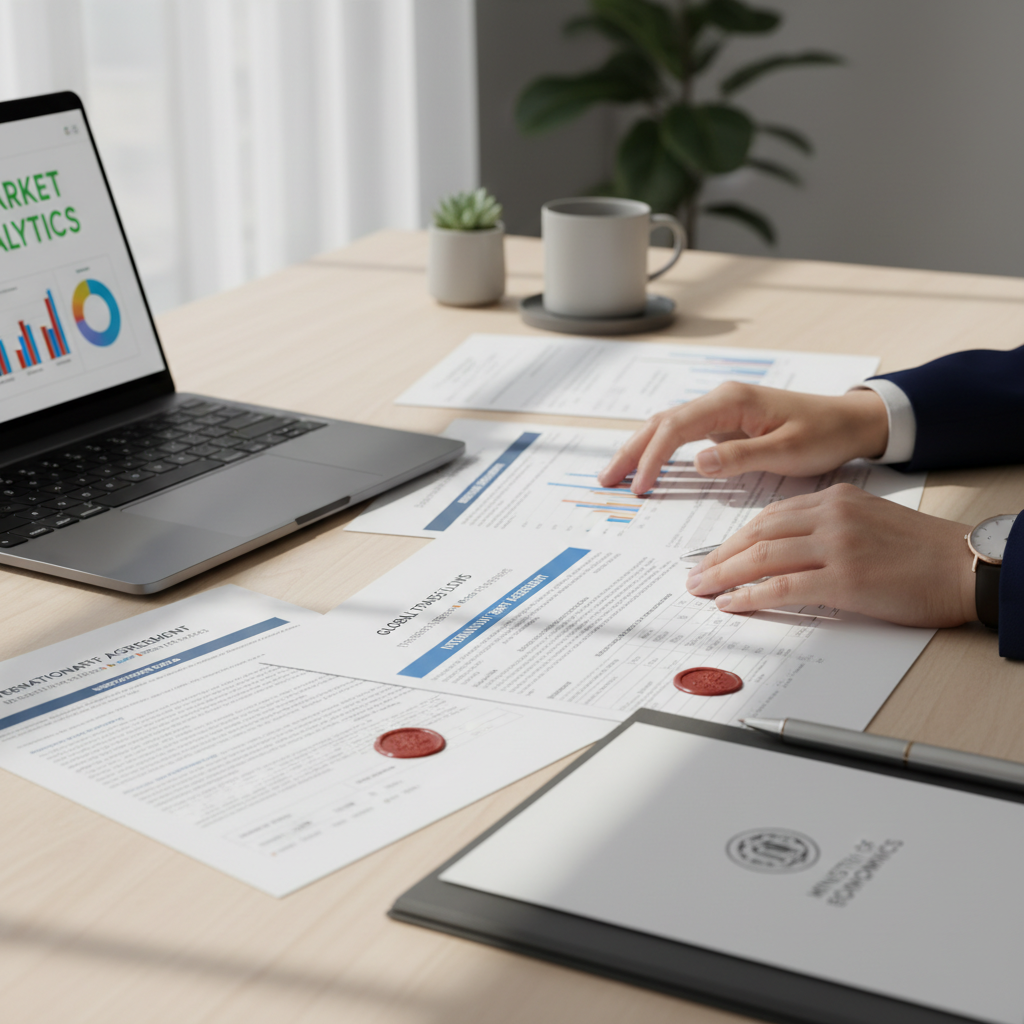
Before diving into seasonal financial planning, it's essential to evaluate your current financial health. Start by reviewing your financial statements, including income statements, balance sheets, and cash flow statements. This analysis will help identify areas of strength and potential vulnerabilities.
Consider conducting a SWOT analysis to pinpoint your business's strengths, weaknesses, opportunities, and threats. This strategic tool can provide insights into how seasonal shifts might impact your operations and guide your planning efforts.
Developing a Flexible Budget
A flexible budget is a cornerstone of effective seasonal financial planning. It accounts for fluctuations in revenue and expenses based on expected seasonal changes. To create this budget, analyze past financial data to identify trends and forecast future performance.
Ensure your budget includes a buffer for unexpected expenses or downturns. This cushion can help your business navigate unforeseen challenges and maintain stability throughout the year.

Leveraging Seasonal Opportunities
Each season presents unique opportunities to boost your business. For instance, during peak tourist months, hospitality and retail businesses can introduce special promotions or packages to attract more customers. Conversely, quieter periods might be ideal for conducting maintenance, training staff, or developing new products.
Stay informed about local events, festivals, and holidays that could influence consumer behavior. By aligning your marketing strategies with these occasions, you can maximize your reach and engagement.
Building Strong Relationships
Establishing robust relationships with suppliers, clients, and other stakeholders is vital for navigating economic shifts. Strong partnerships can lead to better terms, preferential treatment, and collaborative opportunities that benefit your business.

Networking within your industry and community can also provide valuable insights and support. Engage with local business associations and chambers of commerce to stay updated on economic trends and resources available to businesses in Florida.
Implementing Risk Management Strategies
Risk management is an integral part of seasonal financial planning. Identify potential risks, such as natural disasters, market volatility, or regulatory changes, and develop strategies to mitigate them. This might include diversifying your revenue streams, securing insurance, or establishing emergency funds.
Regularly review and update your risk management plan to ensure it aligns with your current business environment and objectives.
Embracing Technology and Innovation
Technology can be a game-changer in managing seasonal economic shifts. Utilize digital tools for financial forecasting, inventory management, and customer relationship management to enhance efficiency and decision-making.

Innovation can also open new avenues for growth. Consider exploring e-commerce, mobile applications, or social media marketing to reach a broader audience and enhance your competitive edge.
Conclusion: Staying Proactive and Prepared
Seasonal financial planning is not just about surviving economic shifts—it's about thriving amidst them. By understanding Florida's economic landscape, evaluating your financial health, developing a flexible budget, and leveraging technology, your business can remain resilient and successful year-round.
Stay proactive, adapt to changes, and continue seeking opportunities for growth and improvement. With the right strategies in place, your business can weather any economic storm and emerge stronger on the other side.