Preparing Your Business for Financial Success: A Seasonal Checklist


Understanding Seasonal Financial Trends
Every business experiences fluctuations based on seasonal trends. Recognizing these patterns is crucial for financial success. By identifying peak and off-peak periods, you can better manage resources, inventory, and staffing needs.

Analyze Past Performance
Start by reviewing your financial data from previous years. Look for patterns in sales, expenses, and cash flow during different seasons. This analysis helps in forecasting future financial needs and opportunities.
Use this information to create a detailed financial calendar. Mark significant dates such as tax deadlines, inventory restocks, and expected high-traffic times.
Budget Adjustments
After understanding your seasonal trends, adjust your budget accordingly. Allocate more funds during peak seasons for marketing and inventory. During slower periods, focus on cost-saving measures and efficiency improvements.

Optimizing Cash Flow
Ensuring a stable cash flow throughout the year is vital. Implement strategies like flexible payment options for customers and negotiating better terms with suppliers. This ensures your business remains financially healthy even during slow periods.
Invoice Management
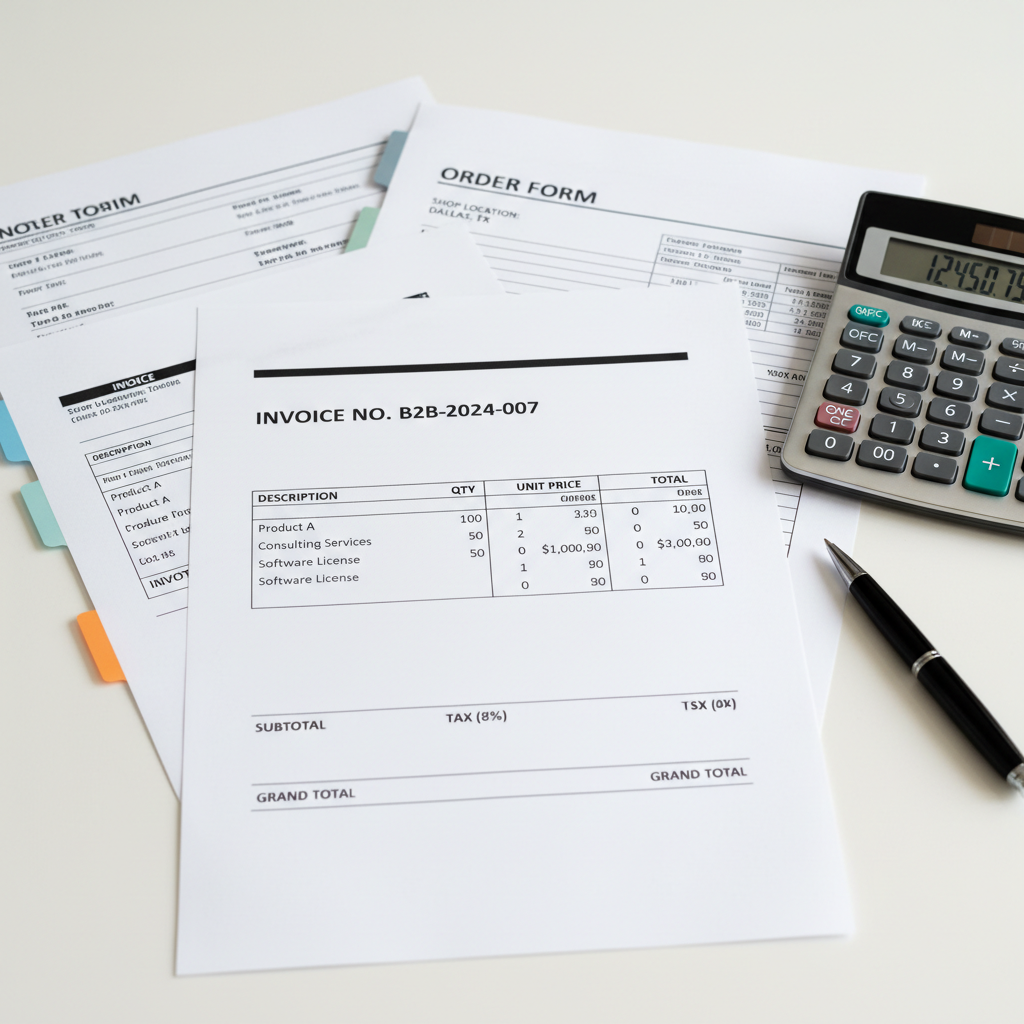
Effective invoice management can greatly impact cash flow. Send invoices promptly and follow up on late payments. Consider offering small discounts for early payments to encourage promptness.
Strategic Marketing Plans
Adjust your marketing strategy according to seasonal demands. Utilize digital marketing tools to reach your target audience effectively. Tailoring your campaigns to specific times of the year can increase visibility and sales.
Social Media Engagement
Leverage social media to engage with customers during different seasons. Share relevant content, promotions, and updates to keep your audience informed and interested. Consistent engagement can lead to increased brand loyalty and sales.

Preparing for Tax Season
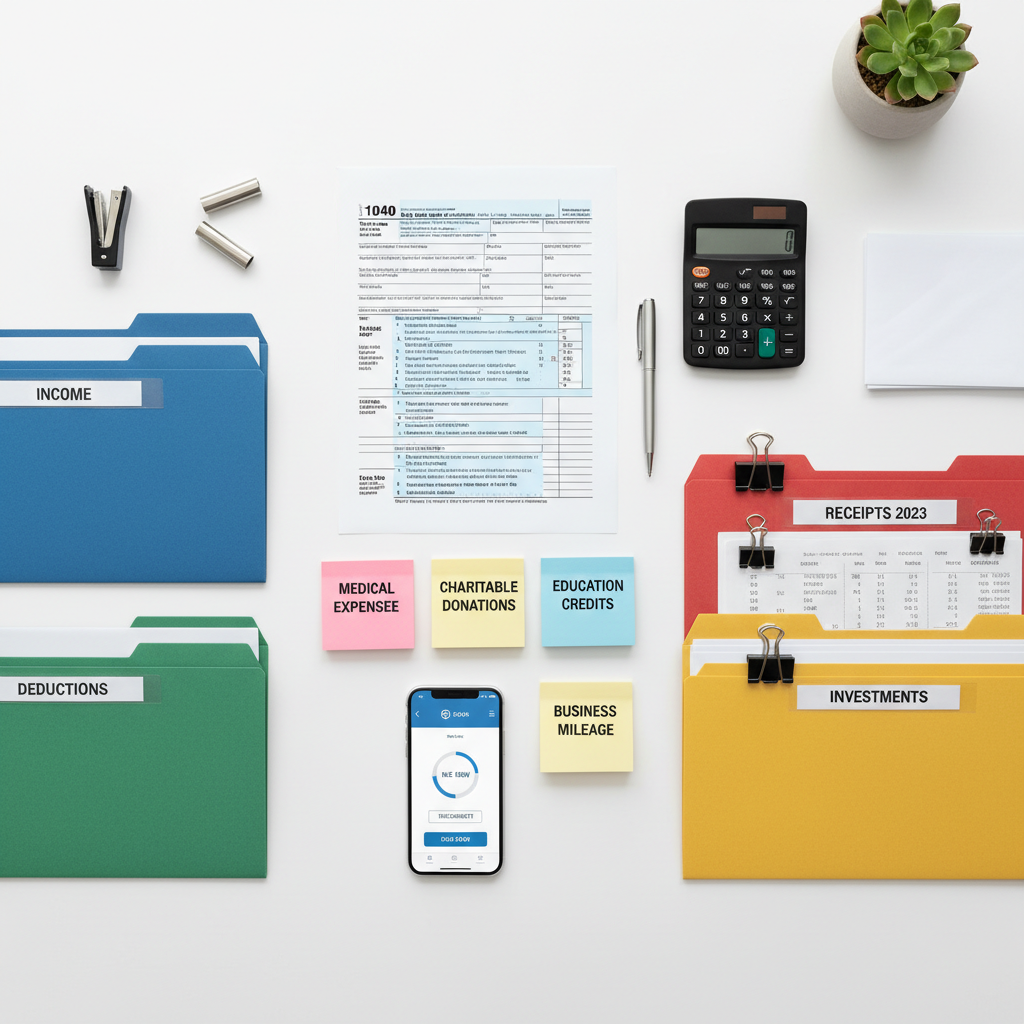
Tax season can be stressful, but preparation can alleviate much of the pressure. Keep accurate records throughout the year and consult with a tax professional to ensure compliance and maximize deductions.
Organized Record-Keeping
Maintain organized financial records to streamline the tax filing process. Use accounting software to track expenses, income, and other financial data. This not only helps during tax season but also provides valuable insights year-round.
Continuous Improvement
Regularly review and refine your financial strategies. Stay informed about market changes, new technologies, and best practices in financial management. Continuous learning and adaptation are key to long-term success.